
The plan

Ralph Dodd
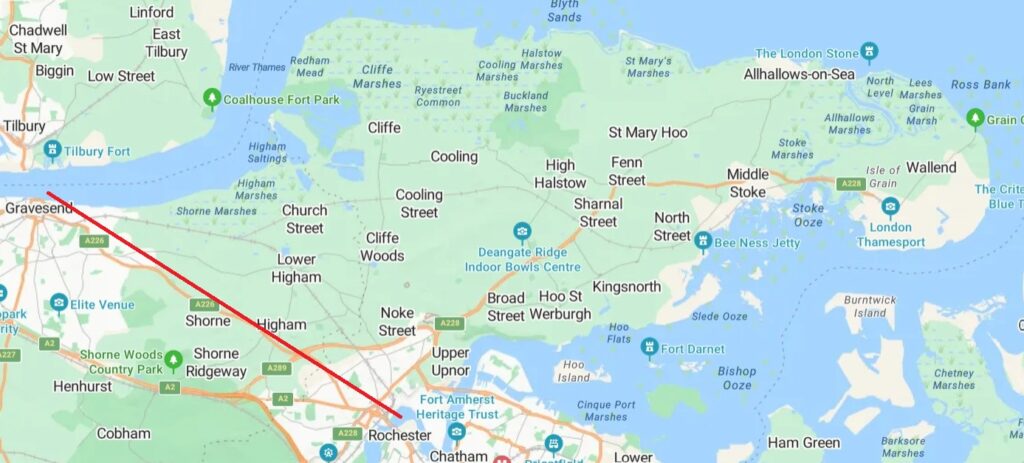
The Hoo Peninsula showing purpose of canal
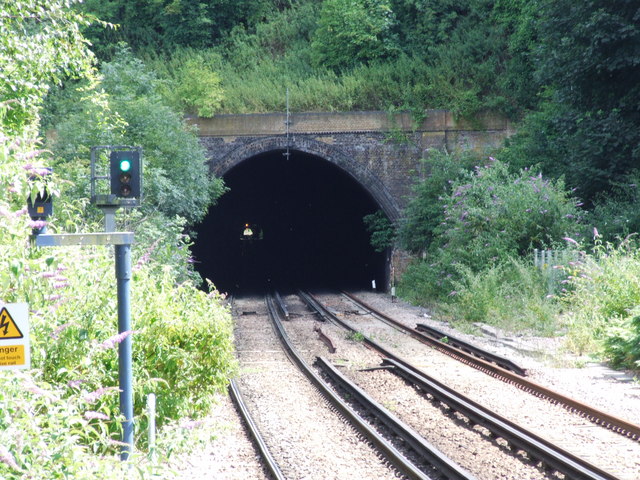
The mouth of the tunnel at Higham today
Ralph Dodd had made a name for himself in the northeast of England as a civil engineer in the coal mining industry. He had two ambitions: to construct a tunnel under the River Thames to link Tilbury to Gravesend and to dig a canal across the marshes to the River Medway.
He considered the first of these ambitions more pressing and started work on the tunnel in 1798. But the entire project swiftly collapsed amid severe flooding and financial problems and was finally abandoned in 1802.
Undaunted Dodd turned to his second scheme, and after Parliamentary sanction in 1800, he set about raising money for the construction of the canal. At this date, during the wars with France, there was significant military potential in any scheme that could provide a short cut across the Hoo Peninsula to link the Thames and Medway, providing a convenient (and safe) route between the Dockyards of Woolwich and Deptford, and Chatham.
By proposing to cut the journey between Strood and Gravesend from 47 miles to 7, Dodd also hoped to attract funding from local barge owners. From the start they were wary. They were concerned that, since the lock gates at either end would be open only for a few hours around high water, the saving in journey time would be cancelled out by the waiting time to use the lock.
Despite this drawback, Dodd managed to convince a number of local people and companies to invest in The Company of Proprietors of the Thames and Medway Canal. The cost of the project was estimated at £40,000. This proved to be a critical mistake that failed to take into account the cost of the tunnel that had to be cut between Higham and Strood.